

Dubai runs on convenience, and money management is no exception. Most residents now track spending, split bills, and watch investments from their phones, so choosing among the best finance apps in Dubai has become a real everyday decision. This guide covers what these apps do, which ones stand out in 2026, and how to pick the one that fits your life.
Why Dubai Residents Rely So Heavily on Finance Apps
Dubai has one of the most digital-first populations in the world. Government services, shopping, and transport all live on your phone, so it makes sense that personal finance moved there too.
A few things push this along.
Digital Transformation Across the UAE
The UAE has spent years pushing paperless services and cashless payments. Once people get used to paying, renting, and booking through apps, tracking their money the same way feels natural.
An Expat-Heavy Lifestyle
A large share of Dubai’s population is made up of expats. Many of them earn in one currency, send money home in another, and spend in AED. Spreadsheets and paper notebooks do not handle that well.
Multi-Currency Money
A typical resident might get paid in AED, save in USD, pay school fees in GBP, and holiday in EUR. A good finance app puts all of that in one view, so you do not have to convert everything in your head.
Finance Apps vs Banking Apps vs Fintech Wallets
These three get mixed up a lot, so here is the simple difference.
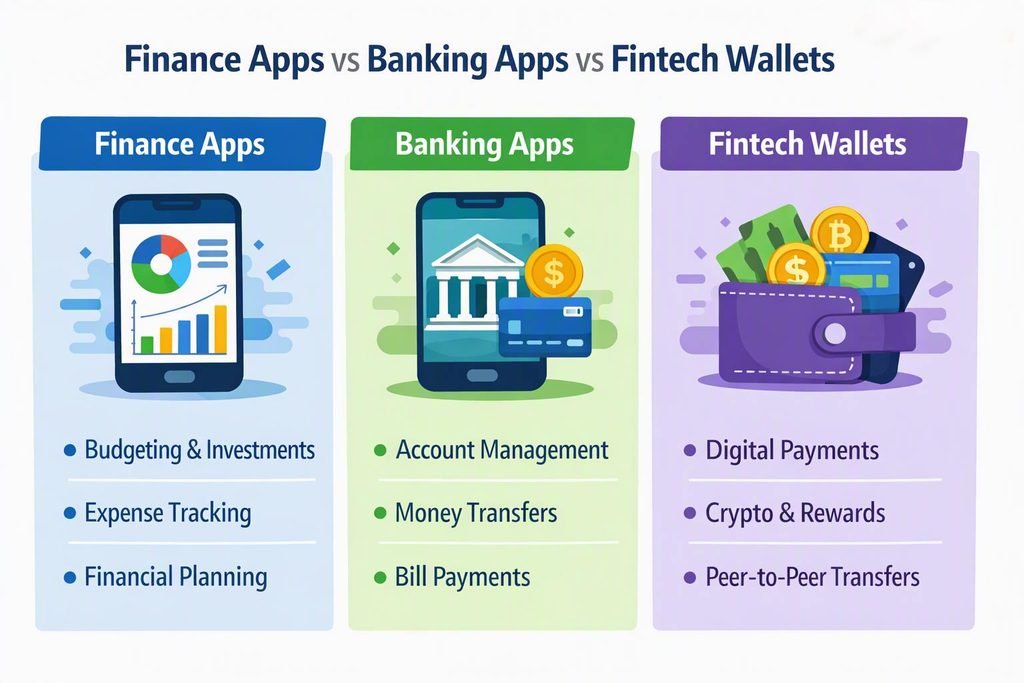
- Banking apps let you manage an account held with a specific bank. You check balances, transfer money, and pay cards.
- Fintech wallets store money for payments and transfers, such as topping up and paying at a shop.
- Finance apps help you understand and plan your money. They track spending, set budgets, monitor investments, and show your net worth, often across several banks at once.
This article focuses on the third group. Some apps blur the lines, and where that happens, we only look at their money-management side.
What Counts as a Finance App in Dubai?
A finance app is any app whose main job is helping you organize, understand, or grow your money. In Dubai, they usually fall into these groups.
Personal Budgeting and Expense Tracking Apps
These record where your money goes and help you stay inside a monthly limit. They are the most popular type for everyday users.
Multi-Currency Money Management Tools
These show balances and spending in more than one currency and convert them automatically. They suit expats and frequent travelers.
Investment and Wealth-Tracking Apps
These pull your stocks, funds, property, and sometimes crypto into a single dashboard so you can see your total net worth.
Bill-Splitting and P2P Payment Apps
These make it easy to split rent, dinner, or a trip with friends and pay them back instantly.
CBUAE vs DIFC and ADGM Regulation
Regulation depends on what the app does.
- The Central Bank of the UAE (CBUAE) oversees payment services, wallets, and banking-related activity across the country.
- The DIFC (regulated by the DFSA) and ADGM (regulated by the FSRA) are financial free zones with their own rules. Investment and wealth apps often operate under one of them.
An app that only tracks your data usually needs lighter oversight than one that holds your money or gives investment advice.
Why This Is Different From Banking Apps
A bank app shows what happens inside one bank. A finance app looks across everything. It answers questions like “How much did I spend on food this month?” or “What is my total net worth?” rather than “What is my balance?”
Key Features Dubai Users Look For in Finance Apps
Before the list, it helps to know what actually matters. These are the features residents ask about most.
Multi-Currency Support
At the very least, an app should handle AED, USD, EUR, and GBP without clumsy manual conversions.
Local Bank Integration
Automatic syncing saves a lot of typing. Users often want support for banks such as Emirates NBD, ADCB, FAB, Wio, and Mashreq Neo. Coverage differs from app to app, so always check before you commit.
AI-Powered Insights and Automation
Good apps now spot patterns for you, like a subscription you forgot about or a category where spending keeps creeping up.
Expense Categorization and Real-Time Tracking
Your spending should sort itself into groups like groceries, dining, and transport, and update quickly enough to be useful.
Crypto and Global Investment Tracking
Many residents hold assets in more than one country. Seeing them together avoids surprises.
Security, Data Privacy, and Compliance
You are sharing sensitive information, so encryption, secure login, and clear privacy terms are essential.
Cloud Sync and Cross-Device Access
You should be able to check your budget on your phone in the morning and your laptop at night without losing anything.
Best Finance Apps in Dubai (2026 Edition)
Below are seven apps that suit different needs. Each one is judged on its money-management strengths, not its banking features. App features and prices change often, so confirm current details on the official app page before subscribing.
1. Wealthi: Best All-in-One Finance Management App
Wealthi is built for people who want everything in one place. It offers AI-driven insights, multi-currency support, and connections to more than 10,000 banks worldwide, which is helpful if your money sits in several countries.
What it does well:
- Tracks your net worth across accounts, investments, and property
- Handles budgeting alongside crypto monitoring
- Uses AI to point out spending patterns and opportunities
Why it fits Dubai’s expat lifestyle: Expats rarely keep all their money in one bank or one country. Wealthi lets you see a UAE account, a home-country account, and an investment portfolio on one screen.
Ideal user: Expats, investors, and anyone who wants a full picture of their finances without juggling several apps.

2. Spendee: Best for Budgeting and Expense Tracking
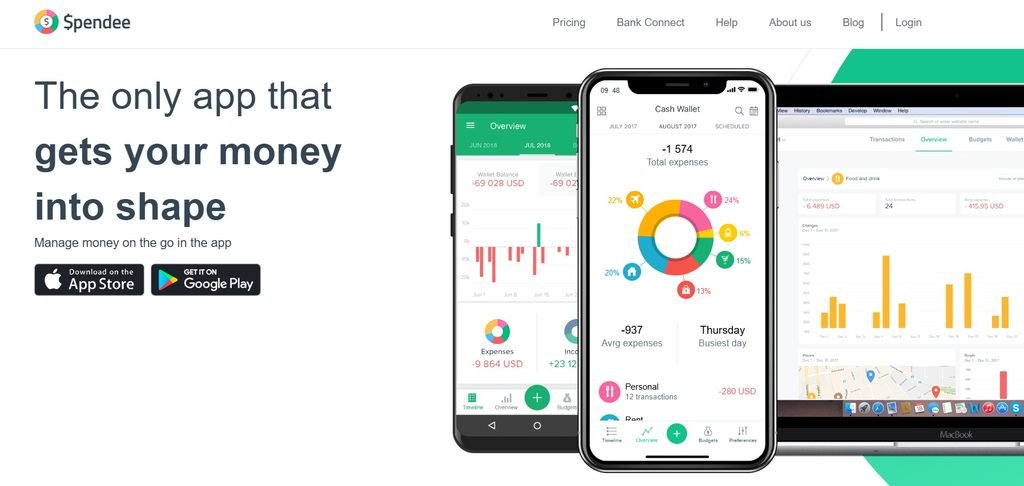
Spendee is known for its clean, colorful design. It turns spending into easy visuals, so you can see at a glance where your money goes.
What it does well:
- Visual budgets and category charts
- Shared wallets for couples and families
- Multi-currency support for travel and international spending
Where it excels in Dubai: Dining out, delivery, and weekend activities add up quickly in the city. Spendee’s category breakdowns make that spending hard to ignore.
Ideal user: Couples, families, and anyone who wants budgeting to feel simple and visual.
3. YNAB: Best for Zero-Based Budgeting Discipline
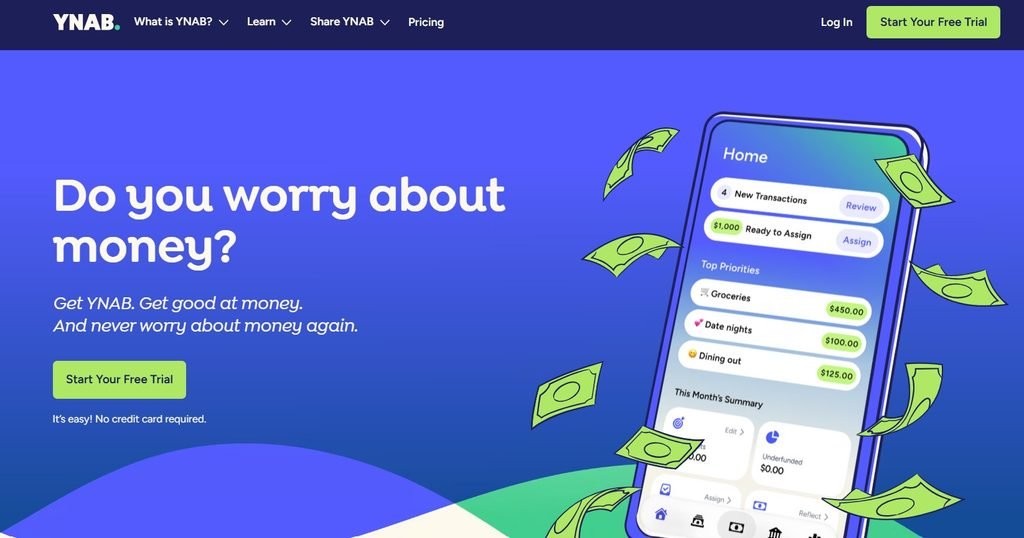
YNAB (You Need A Budget) works on a strict idea: give every dirham a job. You assign all your income to categories until nothing is left unplanned.
What it does well:
- Goal-based planning for big expenses
- Encourages you to spend only what you have already set aside
- Detailed reports on progress
How it helps with Dubai’s cost of living: Rent, school fees, and annual costs like visa renewals can arrive as big lump sums. YNAB teaches you to save for them month by month.
Worth knowing: Automatic syncing with UAE banks is limited, so many users enter transactions manually or import files. It is a subscription app, so check the current price.
Ideal user: People who want firm control and do not mind putting in a few minutes each week.
4. Money Manager: Best Simple Tracking App
Money Manager keeps things plain. It has a clean layout, works offline, and relies on manual entry.
What it does well:
- Records income and expenses quickly
- Works without an internet connection
- Easy to learn on day one
Good for: People who prefer simplicity over automation, or who do not want to link their bank accounts to any app.
Ideal user: Beginners and privacy-minded users who like typing in their own numbers.
5. Liv. Finance Tools: Best Bank-Integrated Finance Features
Liv. is a digital banking brand from Emirates NBD, so it is technically a bank app. We include it here only for its money-management side, since these features are useful even if you do not think of it as a finance app.
What it does well:
- Spending insights that break down where your money goes
- Savings goals you can set and follow
- Lifestyle perks and offers tied to everyday spending
Why the finance tools matter: Because the tools live inside your account, your data is always up to date without any syncing.
Clear distinction: The banking side covers accounts, cards, and transfers. This section is only about budgeting and savings tools.
Ideal user: Younger residents and people already banking with Liv. who want built-in tracking.
6. Revolut: Best for Global Spending and Travel Finance
Revolut is popular with people who spend across borders. It combines currency exchange with budgeting features in one app.
What it does well:
- Competitive exchange rates for spending and transfers abroad
- Analytics that show spending by category
- Vaults to set money aside for specific goals
Popular with: Frequent travelers and expats who move money between countries often.
Ideal user: Anyone who spends in several currencies and wants to keep exchange costs low.
7. Ziina: Best for Peer-to-Peer Payments and Bill Splitting
Ziina makes paying friends simple. You can send money instantly and use a personal ZiiName instead of sharing bank details.
What it does well:
- Instant transfers between friends
- Easy bill splitting for meals and trips
- Social-style payments that feel casual
Useful for: Roommates splitting rent and utilities, friends sharing dinner bills, and freelancers collecting small payments.
Ideal user: Young professionals, shared households, and freelancers.
Comparison Table: Finance Apps by Use Case
| App | Budgeting | Multi-Currency | Investment Tracking | Crypto Support | P2P Payments | AI Insights | Best For |
|---|---|---|---|---|---|---|---|
| Wealthi | Yes | Yes | Yes | Yes | No | Yes | Expats and investors |
| Spendee | Yes | Yes | No | No | No | Limited | Families and couples |
| YNAB | Yes | Limited | No | No | No | No | Disciplined budgeters |
| Money Manager | Yes | Basic | No | No | No | No | Simple, offline use |
| Liv. Finance Tools | Yes | Limited | No | No | Yes | Basic | Locals and younger users |
| Revolut | Yes | Yes | Basic | Yes | Yes | Basic | Travelers and expats |
| Ziina | No | Limited | No | No | Yes | No | Roommates and freelancers |
This table is a general guide. Features can change, so double-check the app store listing before you decide.
How to Choose the Right Finance App in Dubai
Picking an app is easier when you start with yourself, not the app.
Define Your Financial Goals
Are you trying to spend less, save for a home, or track investments? Your goal narrows the list quickly.
Check Integration With Your UAE Bank
If you want automatic syncing, confirm that your bank is supported. If it is not, you will be entering transactions by hand.
Consider Your Multi-Currency Needs
If you only spend in AED, this matters less. If you send money home or travel often, it should be near the top of your list.
Evaluate Security and Compliance
Look for strong encryption, two-step login, and a clear privacy policy. Read who runs the app and where it is licensed.
Decide Between Automation and Manual Control
Automation saves time, while manual entry makes you more aware of each purchase. Neither is better. It depends on your personality.
Match the App to Your Lifestyle
- Expat: Wealthi or Revolut
- Freelancer: Ziina plus a simple tracker
- Family: Spendee
- Investor: Wealthi
- Strict saver: YNAB
Security and Compliance: What Dubai Users Must Know
Your financial data is sensitive, so a little checking goes a long way.
CBUAE Rules for Finance Apps
Apps that handle payments, stored value, or banking activity generally fall under the Central Bank of the UAE. Apps that only read your data usually face lighter requirements, but they still need to protect it.
DIFC and ADGM Regulations for Investment Apps
Apps offering investment services often operate under the DFSA in DIFC or the FSRA in ADGM. Both publish public registers of the firms they license.
Data Privacy Considerations
The UAE has a federal data protection law (Federal Decree-Law No. 45 of 2021) that covers how personal data can be collected and used. Read what an app says about sharing your data with third parties.
How to Verify an App’s Legitimacy
- Look up the company on the CBUAE, DFSA, or FSRA public registers.
- Check the developer name and reviews in the app store.
- Confirm there is a real company address and support contact.
- Read the privacy policy before linking any account.
Red Flags to Avoid
- Promises of guaranteed returns
- Requests for your full banking password or card PIN
- No license information anywhere
- Pressure to deposit money quickly
- Poor reviews mentioning missing funds or blocked withdrawals
Future Trends: The Next Generation of Finance Apps in Dubai
The next few years should bring noticeable changes.
AI-Driven Financial Coaching
Instead of just showing charts, apps will suggest what to do next, like moving money into savings when spending is low.
Predictive Budgeting
Apps will forecast upcoming bills and warn you before you run short.
Integrated Crypto and Traditional Finance Dashboards
Seeing bank accounts, shares, and crypto in one view will become standard.
Open Banking Expansion in the UAE
The UAE has been developing open finance rules that let you share your data securely between providers. As this grows, connecting UAE banks to finance apps should get easier and more reliable.
Smart Savings Automation
Expect more apps that quietly round up purchases or move small amounts into savings based on your habits.
Conclusion
Dubai’s finance app scene is broad, and that is good news. Whether you want a full view of your wealth with Wealthi, a friendly budget with Spendee, tight control with YNAB, a simple tracker like Money Manager, built-in tools with Liv., global spending with Revolut, or easy bill splitting with Ziina, there is a strong option for you.
The right app gives you clarity. You know where your money goes, what you can afford, and how close you are to your goals. Start by writing down what you want your money to do, pick the app that matches, and test it for a month. If it does not fit, switching is easy.
Frequently Asked Questions
What are the best finance apps in Dubai?
Popular choices include Wealthi for all-in-one tracking, Spendee for budgeting, YNAB for strict budgeting, Money Manager for simple tracking, Liv. for built-in finance tools, Revolut for global spending, and Ziina for peer-to-peer payments.
What is the difference between a finance app and a banking app?
A banking app manages an account with one bank. A finance app helps you track, plan, and understand your money, often across several banks, currencies, and investments.
Which finance app is best for expats in Dubai?
Wealthi and Revolut are strong picks for expats because both handle multiple currencies and suit people who manage money in more than one country.
Are finance apps safe to use in the UAE?
Reputable apps use encryption and secure login, and those offering regulated services should be licensed by the CBUAE, DFSA, or FSRA. Always check the license and read the privacy policy before linking accounts.
Can I connect my UAE bank account to a finance app?
Some apps support UAE banks directly, while others rely on manual entry or file imports. Check the app’s supported banks before you sign up.
Which app is best for splitting bills in Dubai?
Ziina is a popular option for splitting bills and sending instant payments to friends, roommates, and clients.
Are there free finance apps in Dubai?
Yes. Many apps offer free versions with basic features, with paid plans for extras. Prices change, so check the current pricing on each app.
What is the best budgeting app in Dubai?
Spendee is a good choice for visual, easy budgeting, while YNAB suits people who want strict, goal-based control.