

If you have ever thought about building a stable, well paying career in the UAE, government jobs in Dubai are probably on your radar. Dubai’s public sector is one of the most organized and fast growing employment markets in the region, offering roles across dozens of departments, from transport and healthcare to policing and digital services. For both Emiratis and expats, these positions stand out because they come with long term security, strong benefits, and a sense of pride that comes from serving a city known for innovation. Whether you are a fresh graduate or an experienced professional, understanding how Dubai’s government hiring works can put you several steps ahead of the competition.
Overview of Dubai’s Government Sector
Dubai’s government is made up of dozens of entities, each responsible for a specific area of city life. Some manage infrastructure and transport, others handle health, education, security, or economic development. Together, these departments employ tens of thousands of people and play a direct role in how the city runs day to day. The sector is known for being highly structured, with clear job grades, defined career paths, and a strong focus on performance.
Why Government Jobs Are Highly Sought
It is not hard to see why so many people want a spot in Dubai’s public sector. Government roles usually come with predictable working hours, generous leave, health coverage, and in many cases, housing or transport allowances. There is also a level of job security that is harder to find in the private sector, where contracts and company performance can shift quickly. On top of that, working for a government entity often carries a certain prestige, since these organizations are seen as pillars of the city’s growth and reputation.
Role of Expats vs Emiratis in Government Employment
While Emiratis are given priority in many public sector roles as part of the country’s Emiratization strategy, this does not mean the door is closed to expats. In fact, several departments actively hire skilled foreign professionals, especially in healthcare, engineering, IT, and specialized technical fields where local talent alone cannot fill every seat. Expats are usually hired on a contract basis, while Emiratis often benefit from additional long term perks such as pension schemes. Knowing this distinction early on helps you set realistic expectations before you start applying.
Key Government Entities Offering Jobs
Dubai’s public sector is spread across many entities, and knowing which ones are relevant to your field can save you a lot of time.
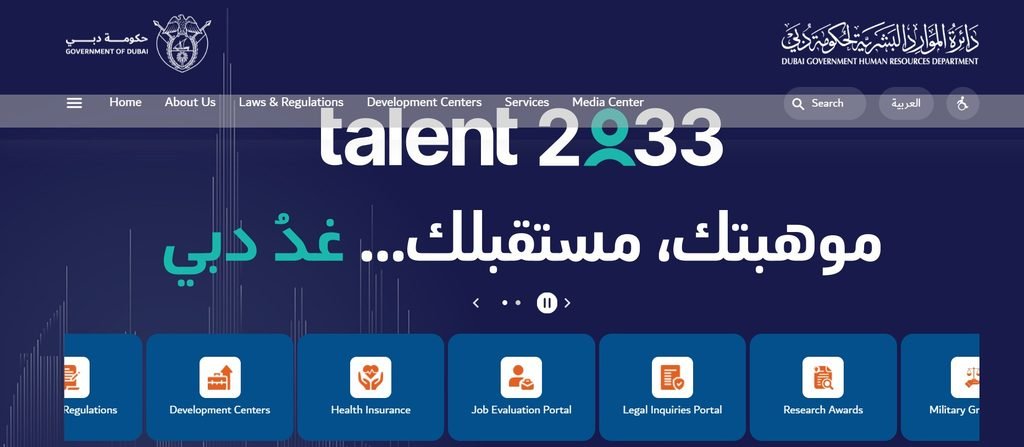
Dubai Government Human Resources Department (DGHR)
DGHR is essentially the backbone of HR policy for Dubai’s government. It sets recruitment standards, manages workforce planning, and oversees training programs across departments. If you are researching how government hiring works in Dubai, DGHR’s policies are usually the starting point.
Dubai Municipality
This is one of the oldest and largest government bodies in the emirate, handling everything from urban planning to public health inspections and environmental services. It regularly hires engineers, planners, inspectors, and administrative staff.
RTA (Roads and Transport Authority)
RTA runs Dubai’s transport network, including the metro, buses, taxis, and road infrastructure. It offers a wide mix of roles, from civil engineering and project management to customer service and operations.
Dubai Police
Dubai Police is one of the most respected security bodies in the region, known for using smart technology in law enforcement. Beyond frontline policing, it also hires people for cybersecurity, forensics, administration, and community services.
Dubai Health Authority (DHA)
DHA oversees the emirate’s public healthcare system, which means constant demand for doctors, nurses, technicians, and healthcare administrators. This is one of the few departments where expat hiring is particularly active due to the need for specialized medical skills.
DEWA (Dubai Electricity and Water Authority)
DEWA is responsible for power and water supply across the city, and it has become known for its push into renewable energy and smart grid technology. It regularly recruits engineers, technicians, and sustainability specialists.
Free Zone Authorities (DIFC, DMCC, DAFZA)
While not traditional government departments in the strictest sense, free zone authorities like DIFC, DMCC, and DAFZA operate under government oversight and offer semi government roles in finance, trade, compliance, and business development. These are often a good entry point for expats aiming to eventually move into core government positions.
Federal Ministries with Offices in Dubai
Several UAE federal ministries, such as those covering economy, education, and human resources, maintain offices in Dubai. These roles follow federal hiring rules, which can differ slightly from Dubai’s local government process.
Types of Government Jobs Available
Government jobs in Dubai are not limited to one type of role. The sector is broad enough to fit almost any career background.
Administrative and Clerical Roles
These include positions like executive assistants, office coordinators, records managers, and HR support staff. They form the operational core of every government department.
Engineering and Technical Roles
From civil and mechanical engineers to surveyors and technicians, entities like RTA, DEWA, and Dubai Municipality regularly need technical talent to keep infrastructure projects moving.
Healthcare and Medical Roles
Doctors, nurses, pharmacists, lab technicians, and healthcare administrators are consistently in demand, particularly within DHA and its affiliated hospitals and clinics.
Security and Law Enforcement Roles
Beyond uniformed police officers, this category includes roles in cybersecurity, emergency response, traffic management, and criminal investigation support.
IT and Digital Transformation Roles
As Dubai pushes toward becoming a fully smart city, demand for software developers, data analysts, cybersecurity experts, and digital transformation specialists has grown sharply across nearly every government entity.
Customer Service and Public-Facing Roles
Government service centers need friendly, capable staff to handle everything from visa services to utility bill inquiries, making customer service a steady source of entry level opportunities.

Eligibility Requirements
Before applying, it helps to understand what most government entities in Dubai actually expect from candidates.
Educational Qualifications
Most roles require at least a relevant diploma or bachelor’s degree, though technical and specialized positions often ask for postgraduate qualifications or professional certifications. Degrees earned outside the UAE typically need to be recognized locally, which brings us to attestation, something we will cover shortly.
Experience Requirements
Entry level roles may accept fresh graduates, but mid to senior positions usually require anywhere from three to ten years of relevant experience, depending on the seniority of the role and the department.
Language Requirements
Arabic is often preferred, especially for roles involving public interaction, policy work, or internal communication within government departments. That said, many technical and specialized roles, particularly in healthcare and IT, are open to English speakers, since a large share of professionals in these fields are expats.
Emiratization Policies and How They Affect Expats
Emiratization is a national strategy aimed at increasing the number of UAE nationals in the workforce, including government roles. This means many entry level and administrative positions may prioritize Emirati candidates first. However, this does not eliminate opportunities for expats, particularly in specialized fields where local talent supply is limited. Expats with niche technical skills, medical expertise, or engineering experience often find that departments are still actively recruiting them.
Salary Structure and Benefits
One of the biggest draws of government jobs in Dubai is the overall compensation package, which tends to be more generous than many private sector roles.
Average Salary Ranges by Department
Salaries vary widely depending on the entity and role. Administrative positions might start in a moderate range, while specialized engineering, medical, or IT roles can command significantly higher pay. Senior management positions in departments like DEWA, RTA, or DHA typically sit at the top end of the public sector pay scale.
Allowances: Housing, Transport, Children’s Education
Many government roles come with additional allowances on top of the base salary. Housing allowances are common, along with transport support and, in some cases, contributions toward children’s school fees. These extras can make a real difference to overall take home value, even when the base salary looks similar to a private sector offer.
Annual Leave, Medical Insurance, Pension
Government employees generally enjoy generous annual leave, often more than what is standard in the private sector, along with comprehensive medical insurance. Emirati employees also benefit from pension contributions through the General Pension and Social Security Authority, something expats typically do not receive, since their end of service benefits follow a different structure.
Job Security and Long-Term Career Growth
Government roles in Dubai are known for stability. Layoffs are far less common than in private companies, and many departments offer structured career progression, training programs, and internal promotion pathways, which makes long term planning easier for employees.
How to Apply for Government Jobs in Dubai
Knowing where to look is half the battle when it comes to public sector hiring.
Dubai Careers Portal
The Dubai Careers platform at www.dubaicareers.ae connects job seekers with more than 45 Dubai government departments, making it the main hub for anyone searching for government jobs in Dubai. It lists vacancies from various government entities and allows candidates to apply directly online. The portal is operated by the Digital Dubai Authority and covers well known bodies such as RTA, DHA, Dubai Municipality, and the Department of Economy and Tourism. Most listed positions target highly skilled professionals, and many are open to both Emiratis and expatriates. Beyond just browsing listings, the platform also lets users track application status, sign up for email alerts on new vacancies, and even attend interviews remotely through video calls.
Ministry-Specific Portals
Federal ministries and some semi government bodies maintain their own career pages separate from Dubai Careers. If you are targeting a specific ministry or authority, it is worth checking their official website directly, since some vacancies are posted there first.
Walk-In Interviews
These are rare in Dubai’s government sector, but they do happen occasionally, especially during large recruitment drives for sectors like policing or healthcare. Keeping an eye on official social media pages of departments can help you catch these opportunities early.
Recruitment Agencies Approved for Government Hiring
Some government entities work with a small number of approved recruitment agencies for specialized or senior roles. These agencies are usually named directly on the hiring department’s website, so it is worth verifying legitimacy before sharing your documents with any third party.
Step-by-Step Application Process
Once you find a role that fits, the actual application process usually follows a fairly consistent path.
Creating a Profile
Most portals, including Dubai Careers, require you to register an account, often with the option to link your LinkedIn profile to speed things up. This profile becomes your central hub for applying to multiple roles without re-entering your details each time.
Uploading Documents
You will typically need to upload your CV, educational certificates, passport copy, and any relevant professional licenses. Make sure your documents are up to date and formatted clearly, since incomplete profiles often get skipped during initial screening.
Screening and Shortlisting
HR teams review applications against the job requirements, filtering out candidates who do not meet the minimum qualifications or experience level. This stage can take anywhere from a few days to several weeks depending on how many applicants apply.
Written Tests or Assessments
For certain roles, especially in technical, security, or administrative fields, candidates may be asked to complete an online assessment or written test to evaluate relevant skills before moving to interviews.
Final Interview and Security Clearance
Shortlisted candidates go through one or more interview rounds, which may include a panel interview for senior roles. Many government positions, particularly in security and sensitive departments, also require a background check or security clearance before a final offer is made.
Tips to Increase Your Chances of Getting Hired
A few practical steps can make a noticeable difference in how competitive your application looks.
Optimizing Your CV for Government Roles
Government recruiters often scan CVs for specific keywords related to the job description, so tailor your resume for each application rather than sending a generic version. Highlight measurable achievements and keep the format clean and easy to read.
Learning Basic Arabic Phrases
Even if a role does not strictly require Arabic, showing some familiarity with the language during an interview can leave a strong impression, especially in public facing or administrative positions.
Getting UAE Attestation for Degrees
Foreign degrees usually need to be attested by the UAE Ministry of Foreign Affairs before they are accepted for government employment. This process can take time, so it is smart to start it early rather than waiting until you are already shortlisted.
Building Experience in Semi-Government Organizations
If you are struggling to break into core government roles, working for semi government entities like free zone authorities can be a useful stepping stone, since it builds relevant experience and networks within the public sector ecosystem.
Challenges and Realities of Government Jobs
It is worth being honest about the difficulties as well, since going in with realistic expectations helps you plan better.
Competition Levels
Because government jobs in Dubai are so desirable, competition for popular roles can be intense, with hundreds of applicants sometimes competing for a single position.
Preference for Emiratis
As part of national Emiratization goals, UAE nationals are often prioritized for certain roles, which can make it harder for expats to secure entry level or administrative positions compared to specialized technical roles.
Slow Hiring Timelines
Government recruitment processes tend to move slower than private sector hiring, partly due to multiple approval stages and security checks. Patience is genuinely necessary here.
Strict Job Performance Standards
Once hired, government employees are often held to detailed performance frameworks, with regular evaluations tied to promotions, bonuses, and contract renewals.
Future Trends in Dubai Government Employment
Dubai’s public sector is not standing still, and understanding where it is headed can help you position yourself for future opportunities.
Digital Government Transformation
Dubai has been steadily shifting services online, which continues to drive demand for professionals who can support digital platforms, automation, and paperless government initiatives.
AI, Cybersecurity, and Smart City Roles
As departments integrate artificial intelligence and smart technology into public services, roles in AI development, data science, and cybersecurity are becoming some of the fastest growing categories within government hiring.
Sustainability and Green Jobs
With Dubai’s push toward clean energy and sustainability targets, entities like DEWA are expanding hiring in renewable energy, environmental planning, and green infrastructure roles.
Expansion of Public Services
As the city’s population grows, government entities continue expanding services in healthcare, education, and transport, which naturally creates more job openings across nearly every department.
Conclusion
Government jobs in Dubai offer a rare combination of stability, strong benefits, and long term career growth that is hard to match elsewhere. While competition can be tough and hiring processes tend to move slowly, the opportunities across entities like RTA, DHA, DEWA, and Dubai Municipality remain genuinely rewarding for both Emiratis and qualified expats. If you take the time to understand eligibility requirements, prepare your documents properly, and apply through the right channels like the Dubai Careers portal, you put yourself in a strong position to land a role in one of the region’s most respected employment sectors. For anyone serious about building a lasting career in Dubai, the public sector is well worth pursuing.