If you’ve lived in Dubai for more than a year, you’ve probably noticed your monthly spending creeping up even though your habits haven’t changed much. Rents have climbed in most neighborhoods, grocery bills feel heavier at checkout, and DEWA charges seem to jump every summer. None of this is in your head. Housing costs across the city have risen steadily, and even the traditionally cheap areas now sit noticeably higher than they did a few years ago.
This is exactly why more expats, and even long-term residents, are rethinking how they spend. It’s not about giving up the things that make Dubai enjoyable. It’s about being intentional with where your money actually goes, so the money you save can go toward the things you care about, whether that’s travel, savings, or simply financial breathing room.
Here’s the part people often get wrong: cheap living in Dubai doesn’t mean cutting out fun, food, or comfort. It means learning which costs are fixed and which ones are flexible, and putting your effort into the flexible ones. Rent is mostly fixed once you sign. Groceries, transport, eating out, and entertainment are flexible almost every single day. That’s where this guide focuses.
Choosing the right area: budget-friendly neighborhoods
Where you live shapes almost every other cost in your life, not just rent. The right area cuts your daily transport spending, puts cheap groceries within walking distance, and keeps you close to affordable food options instead of premium restaurants being your only choice nearby.
Areas known for low daily expenses
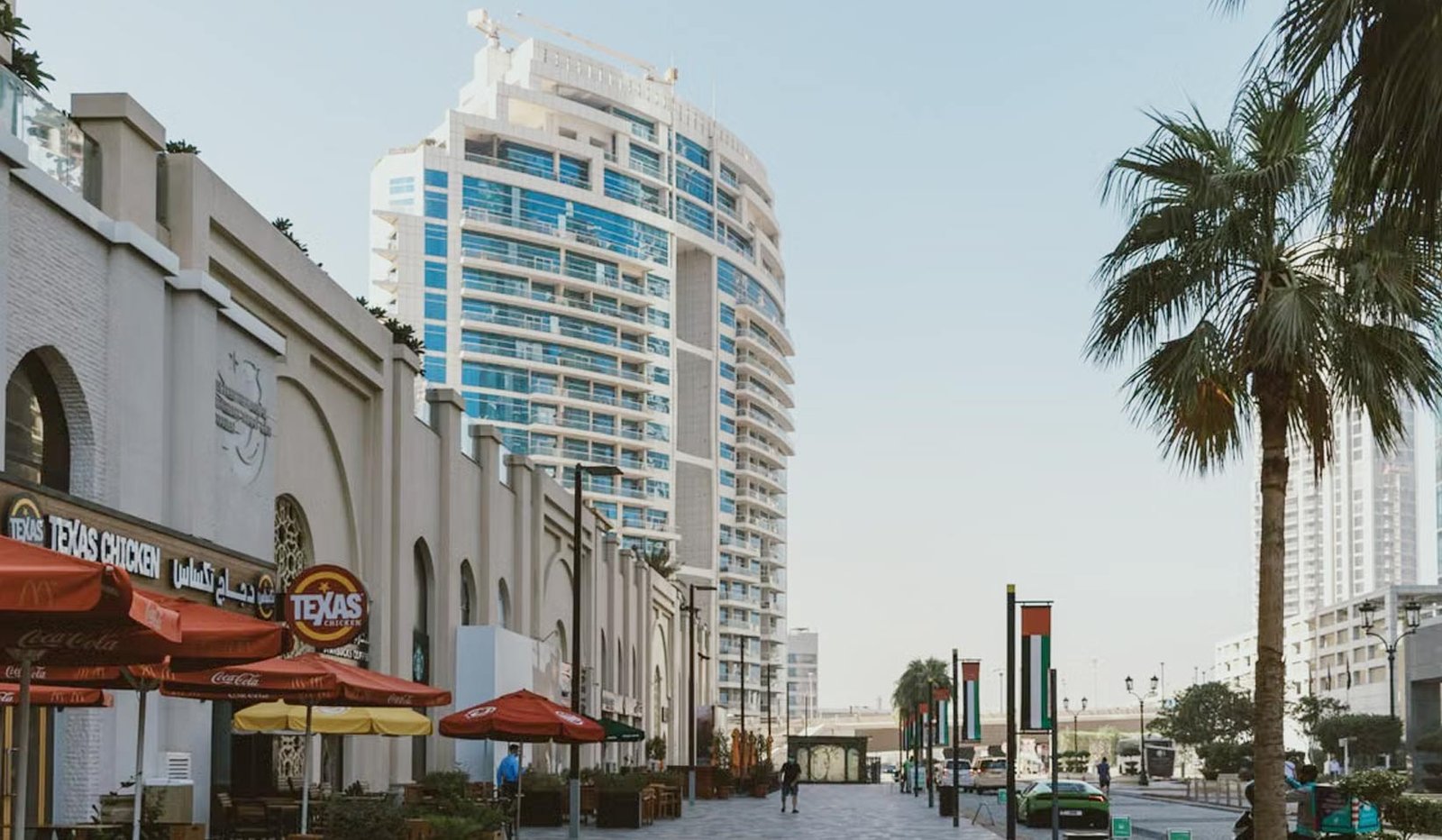
Neighborhoods like Deira, Bur Dubai, Al Nahda, Al Qusais, and International City tend to have a mix of small local supermarkets, cafeterias, and everyday shops that keep prices lower than what you’ll find in newer, more polished communities. These are older, more established parts of the city, and that actually works in your favor. Older buildings and neighborhoods usually come with cheaper service providers, more competitive shop pricing, and a general absence of the markup that comes with brand-new malls and lifestyle centers.
Access to cheap groceries, transport, and food
Areas like Al Nahda and Deira sit close to major RTA bus routes and metro stations, which means you’re not forced into daily taxi rides. You’ll also find that these neighborhoods have a dense cluster of small grocery shops, so you can compare prices easily instead of relying on one supermarket by default.
Community benefits for budget living
Established areas tend to have a strong resident community, particularly among South Asian and Filipino expats, which means shared knowledge about where to find the best deals, informal carpooling arrangements, and cafeterias that cater specifically to working residents rather than tourists.
Walkability and metro access
This one matters more than people expect. If your daily errands, groceries, gym, and metro station are all within a 10 to 15 minute walk, you naturally spend less on taxis and fuel. Al Nahda, Deira, and parts of Bur Dubai are some of the most walkable budget-friendly areas in the city, largely because they were built before Dubai’s car-first sprawl became the norm.
Affordable housing strategies
Rent is the biggest line item in almost everyone’s budget, so even small strategic decisions here have a bigger impact than anything else in this guide.
Sharing accommodation
Flat sharing and partitioned rooms remain the single most effective way to reduce housing costs in Dubai. A shared two or three bedroom apartment split between roommates, or a partitioned room in a shared flat, can bring your monthly housing cost down dramatically compared to renting a studio alone. This is especially common and accepted in areas like Deira, Al Nahda, and International City.
Renting older buildings instead of new towers
New towers come with amenities like gyms, pools, and covered parking, and you pay for all of it whether you use it or not. Older buildings, particularly in Bur Dubai, Deira, and parts of Al Qusais, offer the same square footage for noticeably less, simply because they lack the amenity premium.
Annual contracts versus monthly rent
Annual contracts, usually paid in one to four cheques, almost always work out cheaper per month than furnished monthly rentals, which carry a convenience premium. If you’re planning to stay in Dubai for more than six months, an annual lease is the more budget-friendly route, even with the upfront cheque commitment.
Negotiating rent with agents
Rent in Dubai is more negotiable than most newcomers assume, particularly at renewal time or when a listing has been sitting empty for a while. Landlords generally prefer a reliable tenant at a slightly lower price over an empty unit. Don’t be afraid to ask for a reduction, request fewer cheques, or negotiate who covers DEWA registration and maintenance.
Avoiding hidden fees
Always ask about agency commission, security deposit, DEWA connection fees, and whether Ejari registration is included. These add up quickly and catch a lot of first-time renters off guard. Get everything in writing before you sign anything.
Smart grocery shopping
Groceries are one of the few costs you control almost completely, and small changes here compound fast over a month.

Where to actually find the cheapest groceries
Viva Supermarket is often described as Dubai’s first real discount grocery chain, and it’s genuinely one of the cheapest places in the city for everyday staples, especially European imports and household basics bought in bulk. Nesto Hypermarket is another strong option, particularly for flour, oil, sugar, and canned goods, and its house brand items are usually priced well below name brands of similar quality. Union Coop, a Dubai government-backed cooperative, is known for stable pricing on essentials and even pays members an annual dividend, so registering as a member is worth it if you shop there regularly. For South Asian pantry staples like rice, pulses, and spices, Al Adil Trading or smaller local shops tend to beat the big hypermarkets. And Carrefour and Lulu Hypermarket are worth checking weekly for their rotating promotions, even if their everyday prices aren’t always the lowest.
Weekly deals and discount days
Most of these chains run their biggest promotions midweek, and prices on fresh produce and meat are often marked down in the evening as stock approaches its sell-by date. Check each supermarket’s app or in-store flyers, since deals rotate weekly and vary by branch.
Buying in bulk versus daily shopping
Bulk buying works well for non-perishables like rice, oil, canned goods, and cleaning supplies, where the per-unit price drops noticeably. For fresh produce and meat, daily or every-other-day shopping in smaller amounts actually saves money, because it cuts down on waste from food going bad before you use it.
Local brands over imported
Imported branded products, especially from Europe or the US, often cost two to three times more than a locally produced or regional equivalent that’s just as good. Store brands from Carrefour, Nesto, and Union Coop are a reliable way to cut your bill without noticing much difference in quality.
Meal planning to reduce waste
Planning your meals for the week before you shop, even loosely, stops the common trap of buying ingredients that end up unused in the fridge. This alone can meaningfully lower your monthly grocery spend, since food waste is one of the most overlooked budget leaks.
Eating out on a budget
You don’t need to give up eating out in Dubai to stay on budget. You just need to know where to look.
Areas known for cheap food
Deira, Karama, Satwa, and Bur Dubai are packed with small cafeterias and family-run restaurants serving generous portions at low prices, often catering to workers and long-term residents rather than tourists. These areas are where you’ll find some of the best value meals in the entire city.
Cafeterias and street food
Local cafeterias, especially those run by South Asian, Filipino, and Middle Eastern families, are the backbone of affordable eating in Dubai. Shawarma stalls, small biryani spots, and Filipino turo-turo style eateries regularly serve full meals well within a tight daily budget.
Daily meal deals and combos
Many cafeterias run fixed daily combo meals, usually rice, a curry or grilled item, and a drink, priced as a set. These combos are almost always cheaper than ordering items separately, and they’re common in areas with a high concentration of working residents.
Finding meals under AED 10 to 15
This is genuinely achievable in Deira, Karama, and parts of Al Qusais. Look for small eateries without English signage or flashy interiors. They’re usually the ones offering the best prices, since they’re not paying for prime retail rent or a polished dining room.
Apps that show nearby cheap restaurants
Talabat and Zomato both let you filter or sort by price and rating, which makes it easy to spot budget-friendly spots near you. The Entertainer app is also worth downloading if you eat out regularly, since it offers buy-one-get-one-free deals at a wide range of restaurants throughout the year.
Transportation hacks to reduce costs
Transport is one of the easiest costs to shrink if you plan around it, especially in a city built around a genuinely good metro and bus network.
Living near a metro line
This ties directly back to choosing the right area. If your daily commute is metro-based instead of taxi-based, your monthly transport cost drops sharply, and you avoid traffic stress as a bonus.
Using a monthly Nol pass
The RTA’s Nol card monthly pass is one of the best value deals in the city if you commute regularly. A Silver Nol card monthly pass currently runs around AED 140 for one zone, AED 230 for two zones, and AED 350 for unlimited travel across all zones, covering the metro, tram, and buses. If you qualify for a concession, such as a student or senior citizen, a Blue concession card cuts that all-zones pass roughly in half. For most commuters who travel across more than one zone daily, the all-zones pass ends up being the smarter buy over paying per trip.
Combining metro and bus routes
Not every destination sits right next to a metro station, but the RTA bus network fills most of those gaps. Planning your route as metro plus a short bus connection is almost always cheaper and often not much slower than a direct taxi.
Avoiding peak-hour taxi charges
Taxi and ride-hailing prices in Dubai surge noticeably during rush hour and late at night. If you can shift non-essential trips outside those windows, you’ll notice a real difference in your monthly ride spending.
Car-sharing and ride-sharing
For residents who need a car occasionally rather than daily, car-sharing apps work out far cheaper than owning a vehicle once you factor in registration, insurance, parking, and fuel. Carpooling with coworkers or neighbors for a regular commute is another underused option that splits fuel and parking costs several ways.
Reducing utility bills
DEWA bills are one of the most unpredictable costs in a Dubai budget, largely because of air conditioning, so this is worth paying close attention to.
AC usage hacks for summer
Setting your thermostat to 24 to 25 degrees instead of pushing it colder makes a real difference over a full month, since every degree lower increases consumption. Closing curtains during peak sun hours, sealing gaps around doors and windows, and using ceiling fans alongside the AC instead of relying on AC alone all help reduce how hard your unit has to work.
Energy-efficient appliances
If you’re furnishing a place from scratch, choosing appliances with a strong energy rating costs a little more upfront but pays for itself within a year or two through lower DEWA bills, especially for anything that runs constantly, like a fridge.
Water-saving habits
Shorter showers, fixing dripping taps quickly, and running washing machines only with full loads all chip away at your water bill without requiring any real lifestyle change.
Choosing the right internet plan
Both du and etisalat by e& offer a range of home internet packages, and it’s worth comparing speed tiers honestly against what you actually use. Most single residents or couples don’t need the highest speed tier on offer, and downgrading one level rarely feels different day to day.
Avoiding unnecessary subscriptions
Streaming services, gym memberships, and app subscriptions quietly stack up. Reviewing your bank statement once a month to spot subscriptions you’re not actually using is a simple habit that frees up real money.
Budget-friendly mobile and internet plans
Cheapest mobile packages
Both major providers, du and etisalat by e&, offer flexible prepaid plans that let you pay only for what you use. Etisalat’s cheapest daily data plan starts at around AED 2 for 50MB, which works well if your data use is light or mostly on Wi-Fi. For younger users, etisalat’s digital sub-brand Swyp offers particularly low base plans with cheap add-ons for social media and messaging apps.
Prepaid versus postpaid
Prepaid is almost always the better starting point for anyone new to Dubai or anyone trying to control spending tightly, since there’s no contract and no risk of a surprise bill. Postpaid plans typically sit in a wider monthly range and make more sense once you have a stable, predictable usage pattern.
Internet bundles for shared flats
If you’re sharing accommodation, splitting one home internet plan between roommates instead of everyone running mobile data separately is a simple, obvious saving that a lot of people overlook.
Avoiding premium add-ons
International call bundles, entertainment add-ons, and roaming packages you don’t actually use are common ways telecom bills creep upward. Review your plan every few months and strip out anything you’re not using.
Saving on healthcare
Choosing affordable insurance
Health insurance is mandatory for residents in Dubai, but coverage tiers vary widely in price. If you’re generally healthy and don’t need access to premium private hospitals, a basic compliant plan covers essential and emergency care at a fraction of the cost of a comprehensive plan.
Clinics with budget consultation fees
Smaller neighborhood clinics, particularly in areas like Karama, Deira, and Al Nahda, tend to charge noticeably lower consultation fees than hospital-affiliated clinics in more central districts, often for the same quality of general care.
Government health centers
Dubai Health Authority centers offer more affordable consultation and treatment options for residents with the right insurance coverage, and they’re worth checking before defaulting to a private hospital for routine care.
Preventive habits
Regular basic checkups, staying active, and not skipping small health issues until they become bigger ones is genuinely one of the most effective long-term savings strategies, since emergency and specialist care in Dubai gets expensive fast.
Cheap entertainment and weekend activities
This is where Dubai actually works in your favor. Some of the best things to do here cost nothing at all.
Free beaches
Most of Dubai’s public beaches are free to enter. Kite Beach is the standout, with a long stretch of sand, an outdoor gym, and food trucks right on the boardwalk. JBR Beach sits next to The Walk, so you can combine a free swim with affordable street food nearby. La Mer and Sunset Beach in Umm Suqeim, with its view of Burj Al Arab, are both free to enter too, with parking being the only real cost. Al Mamzar Beach Park is one of the few that charges a small entry fee, around AED 5, and it’s worth it for the landscaped grounds and quieter atmosphere.
Free parks
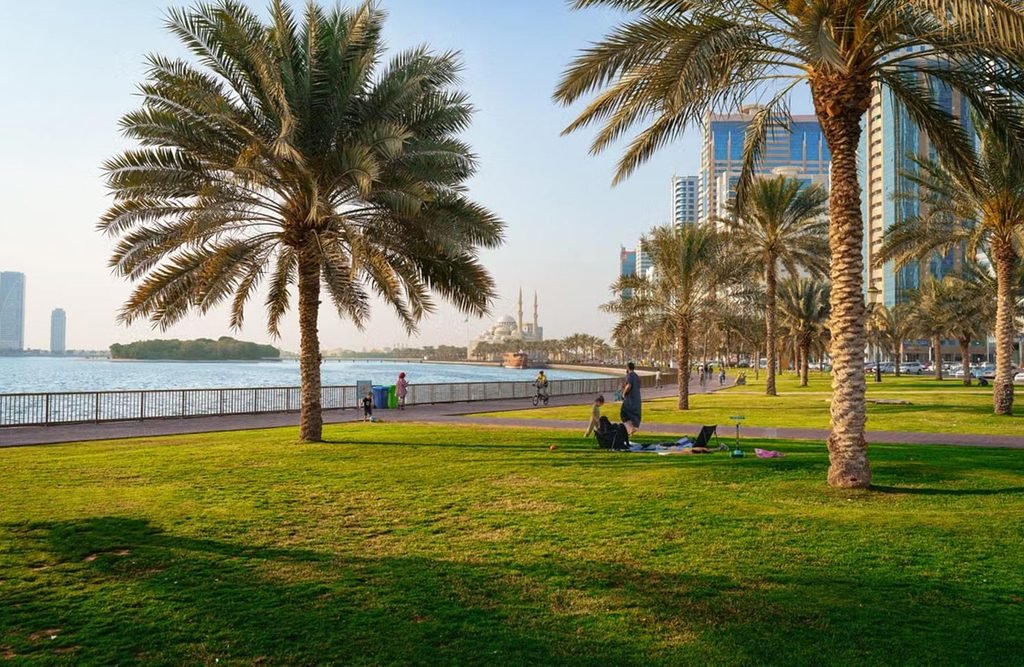
Zabeel Park and Safa Park are both easily reached by metro and offer large green spaces for walking, jogging, or just relaxing outdoors without spending anything beyond a nominal park entry fee in some cases.
Free cultural spots
The Al Fahidi Historical Neighbourhood in Bur Dubai is free to wander through, with its old wind-tower architecture and narrow lanes offering a completely different side of Dubai than the skyscraper skyline. Public art installations and the Dubai Frame’s outdoor areas are also worth exploring without paying for the ticketed sections.
Budget gyms and outdoor fitness
Outdoor gyms along Kite Beach and several public parks are free to use and well maintained. If you want an indoor gym, community gyms in residential areas like Al Nahda and Discovery Gardens tend to be far cheaper than branded fitness chains in central Dubai.
Low-cost social activities
Community meetups, free walking groups, beach volleyball at public courts, and simply gathering at someone’s flat instead of a restaurant are all common, low-cost ways residents stay social here without the spending adding up.
Money-saving apps and tools
- Grocery discount apps: Carrefour’s app tracks their SHARE loyalty points, Nesto’s Inaam app gives cashback on purchases, and Union Coop’s app shows current member promotions.
- Restaurant deal apps: The Entertainer for buy-one-get-one dining offers, plus Talabat and Zomato for comparing prices and finding nearby budget spots.
- Transport apps: The RTA Dubai app for live metro and bus routes and Nol card top-ups, and Careem for ride comparisons when public transport isn’t an option.
- Cashback and coupon apps: Cobone for deals across dining, wellness, and activities, and general cashback apps tied to your bank card for everyday spending.
- Budget tracking apps: A simple expense tracker linked to your bank account makes it much easier to see where your money actually goes each month, rather than guessing.
Smart financial habits for Dubai residents
Monthly budgeting
Set a rough number for each category, rent, groceries, transport, eating out, and entertainment, at the start of every month. You don’t need a complicated spreadsheet. Even a simple note on your phone keeps spending visible instead of invisible.
Avoiding impulse purchases
Dubai’s malls and delivery apps make impulse spending incredibly easy. A simple rule, like waiting 24 hours before any non-essential purchase over a set amount, cuts down on regretted spending significantly.
Using loyalty programs
Union Coop’s member dividend, Carrefour’s SHARE points, and similar programs at other supermarkets and retailers add up over a year, especially if you’re shopping there regularly anyway.
Tracking subscriptions
Go through your bank statement once a month and list every recurring charge. It’s common to find at least one subscription you forgot you were paying for.
Saving a fixed percentage
Setting aside a fixed percentage of your salary the moment it arrives, before it has a chance to disappear into daily spending, is one of the most reliable habits for building savings in a city where spending opportunities are constant.
Cheapest ways for families to live in Dubai
Affordable school alternatives
School fees vary enormously across Dubai, and choosing a school in an Indian, Filipino, or Pakistani curriculum system, rather than a British or American curriculum school, often brings fees down substantially while still offering solid education quality.
Budget childcare options
Community-based nurseries in residential areas like Al Nahda and Discovery Gardens tend to be considerably cheaper than nurseries attached to premium residential compounds, without a meaningful difference in the standard of care.
Family-friendly cheap areas
Al Nahda, Discovery Gardens, and parts of Dubai Silicon Oasis are consistently recommended for families on a budget, since they combine larger apartment sizes, nearby schools, and parks with rents well below central Dubai.
Saving on kids’ activities
Free beaches and parks cover a lot of weekend activity needs. For paid attractions, look out for family combo deals and off-peak pricing, and check apps like The Entertainer, which often include discounted family attraction tickets alongside its dining offers.
Cheapest ways for single expats
Shared accommodation
For singles, sharing a flat is by far the biggest lever available. It’s common, accepted, and genuinely cuts your housing cost more than any other single decision you can make.
A metro-focused lifestyle
Building your daily routine around metro access, rather than owning or relying heavily on a car, removes one of the biggest recurring costs a single resident faces.
Cheap food routines
Rotating between a few reliable cafeterias near your flat, cooking simple meals a few nights a week, and saving restaurant visits for weekends keeps food costs predictable without feeling restrictive.
A low-cost social life
Free beaches, community meetups, and hosting at home instead of always going out let you stay socially active without your weekend spending spiraling.
Real examples: how people actually live cheaply in Dubai
These are realistic snapshots based on common budgeting patterns among residents living frugally in the city. Individual costs will shift depending on lifestyle and exact location, but the structure holds up.
A single expat living under AED 4,000 a month
Shared room, metro pass, home cooking
A single professional shares a partitioned room in Deira or Al Nahda, uses a Silver Nol all-zones monthly pass, cooks most weekday meals with groceries from Nesto or Viva, and eats out only on weekends at local cafeterias. Entertainment mostly means free beach visits and occasional low-cost outings with friends.
A couple living under AED 7,000 a month
Studio or small one-bedroom, shared transport, planned groceries
A couple rents a studio or compact one-bedroom in an older building in Al Qusais or International City, splits an annual lease, shares one Nol pass strategy between working near each other, and does weekly meal planning to avoid waste. They eat out once or twice a week at budget-friendly spots and rely on free parks and beaches for most weekend plans.
A family living under AED 12,000 a month
Larger flat, community school, careful budgeting
A family of four rents a two-bedroom in Al Nahda or Discovery Gardens, sends their kids to a community curriculum school with lower fees, shops primarily at Union Coop and Nesto with a weekly meal plan, and treats weekend outings as free beach and park days, saving paid attractions for occasional special occasions.
What connects all three is not deprivation. It’s routine. Each household picked a housing setup that matched their needs without overpaying for space or amenities they didn’t use, built transport around the metro instead of daily taxis, and treated eating out and entertainment as planned choices rather than defaults.
Final verdict: is it possible to live cheaply in Dubai in 2026?
Yes, but with a realistic understanding of what that actually means. Dubai isn’t a cheap city in absolute terms, and pretending otherwise sets you up for disappointment. What makes budget living genuinely achievable here is that the city offers real, workable alternatives at almost every price point, from housing to food to entertainment, if you’re willing to look slightly off the beaten path.
Who can live cheaply here? Realistically, anyone willing to share accommodation, use public transport as their default rather than a backup, and shop and eat with a bit of planning instead of convenience. Singles and couples have the most flexibility, since sharing housing has an outsized impact on their budget. Families can do it too, but it takes more deliberate choices around schooling and housing size.
What sacrifices does it actually require? Mostly convenience, not quality of life. You’ll spend a bit more time comparing prices, planning meals, and choosing routes. You’ll live in an older building instead of a brand-new tower, and you’ll take the metro instead of a taxi more often than not. None of that means a worse life in Dubai. It just means a more intentional one.
The honest takeaway is this: Dubai rewards people who plan. The free beaches, the low-cost cafeterias, the metro network, and the genuinely good value supermarkets are all here and available to everyone. The people who live well here on a budget aren’t cutting corners on happiness. They’re just spending on purpose instead of by default, and that’s a habit worth building no matter where you live.